
Okay, so check this out—at first I thought browser crypto wallets would be clunky. Wow! They mostly felt like an extra tab to manage, and honestly I worried about security more than convenience. My instinct said: keep keys offline, keep things simple. But after weeks of using a Solana extension—day trading small NFTs, tapping into DeFi yields, and testing token swaps—I started seeing a different picture. Initially I thought extensions were only for quick pokes, but then I realized they can actually replace a lot of friction if handled right.
Here’s the thing. Browser extensions give immediacy. Short bursts of activity, tiny UX wins—connect, approve, confirm. Whoa! That immediacy has trade-offs though; session management and permission sprawl can bite you later. On one hand the flow is delightfully fast, and on the other hand your wallet permissions can become very very broad without you noticing. My first impression was: neat, then cautious. Actually, wait—let me rephrase that: neat, then hyper-cautious.
Using a Solana wallet extension like phantom changed routine tasks for me. Fast approvals make swapping SPL tokens trivial. Long transactions still happen sometimes, and when they do you feel the lag; the UI doesn’t always explain exactly why. Something felt off about some confirmations at first—too terse, too trusting. My gut told me to read carefully, and that habit saved me from a mis-click once.
Why pick a browser extension wallet for Solana?
For everyday interaction with the Solana ecosystem, browser extensions hit a sweet spot. They’re lighter than desktop wallets and faster than mobile-only flows. Medium complexity activities—like staking or participating in an airdrop—become approachable. Seriously? Yes. The UX reduces friction. But there are layers beneath that convenience: seed phrase hygiene, hardware wallet integration, and malicious dApp prompts. I’m biased, but when I tested several tools the extension model balanced ease and control better for casual DeFi users.
Security basics first. Keep your seed phrase offline. Never paste it into a website. Never. If an app asks for your secret key directly, that’s a red flag—close the tab. Hmm… sounds obvious, but you’d be surprised how many folks skip this. Also consider a hardware wallet for larger balances; the extension can be a window that uses the hardware device for signing, which is a nice compromise.
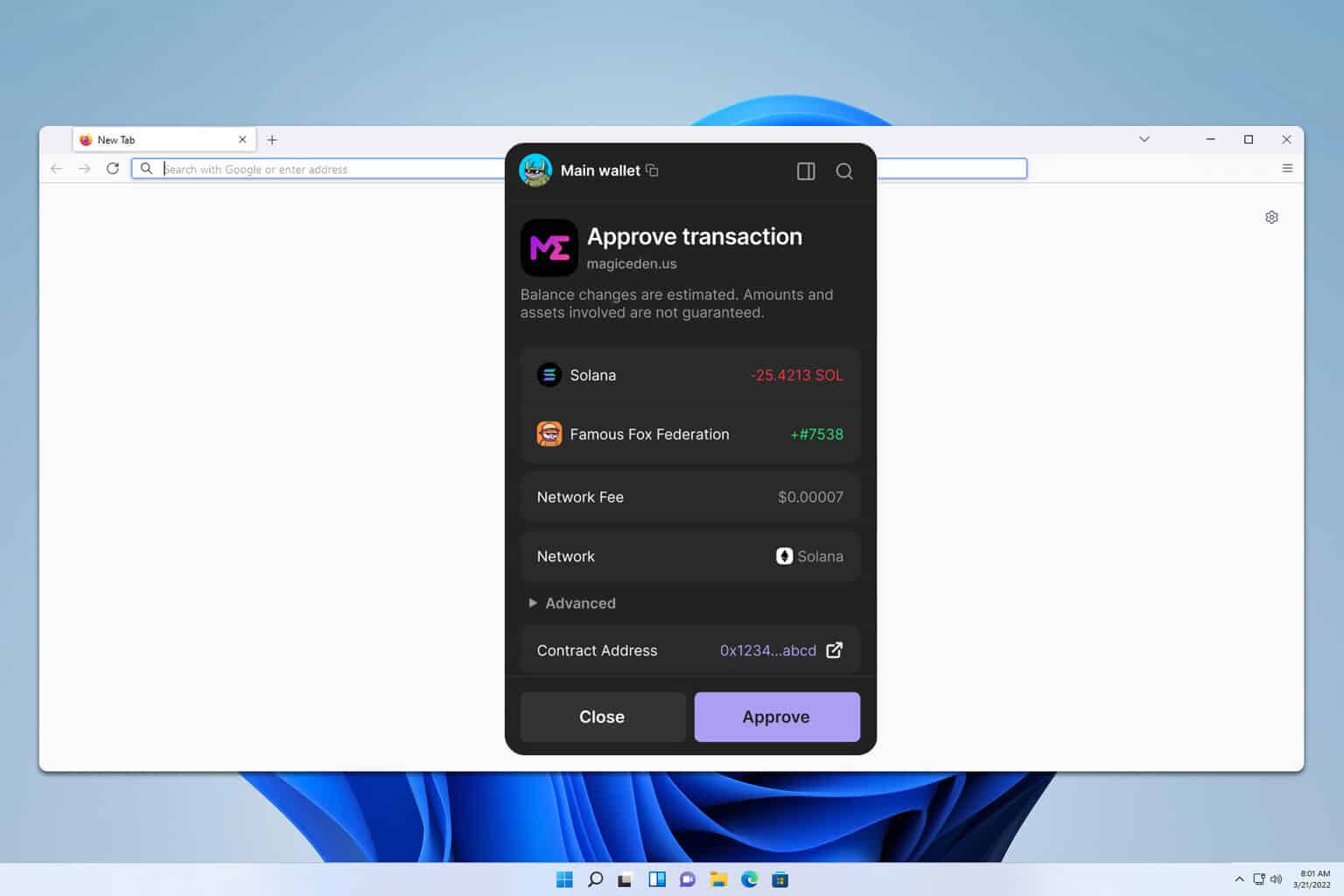
Speaking of signing, pay attention to the granular details in the transaction window. Developers sometimes bundle extra privileges into a single approval (oh, and by the way—this is not always malicious, sometimes it’s lazy UX). Read the request. If you see unfamiliar token approvals, revoke them after use. There are tools to audit allowances, and it’s very satisfying to reclaim control once you realize approvals are lingering.
Now, on performance: Solana’s speed is real. Swap confirmations often appear within seconds. Longer tails happen during network congestion or RPC hiccups. Initially I blamed the wallet, then realized many delays were RPC-related. On one hand the wallet UI can misattribute network slowness to ‘processing’ and that bugs me because it makes me think my click didn’t go through. On the other hand, the underlying chain is what it is—so it’s a mixed bag.
Interacting with DeFi through an extension is convenient for testing strategies. You can hop from Serum-like DEXs to program-specific staking pools in a few clicks. But—here’s my caveat—if your mental model of ‘what’s approved’ is fuzzy, you’ll make mistakes. My tip: establish a routine. Smaller test transactions first. Use a new account when trying risky contracts. Don’t reuse the same account for everything unless you really, really trust the dApps you engage with.
There are UX quirks too. Some extensions auto-connect on page load unless you block them, and that can be annoying. Sometimes connection prompts are modal and block the page, which is helpful, but sometimes they’re subtle and easy to miss. My instinct is to want clearer permission descriptions. On the bright side, wallet developers iterate fast; I’ve seen steady improvements in prompt clarity over a few months.
One practical workflow I use: reserve a “work” wallet for daily interactions and a “cold” wallet for savings. Move only what you plan to spend into the work wallet. It sounds simple, but when you’re in the heat of a drop or a yield opportunity you stop thinking about risk. That separation saved me from a regrettable impulsive trade. I’m not 100% sure it’s foolproof, but it’s helped.
FAQ
Is a browser extension wallet safe enough for DeFi?
Yes, for everyday use with caution. Keep large balances in a hardware wallet. Use strong OS hygiene and avoid pasting your seed phrase anywhere. Small, frequent transactions are the right use-case for extensions.
How do I avoid scams when connecting to websites?
Check the URL carefully, use reputable aggregator lists, and double-check requested permissions before approving. If a transaction looks weird, cancel. Trust your gut—if somethin’ feels off, step away.
Can I use a hardware wallet with a browser extension?
Yes—many extensions support hardware wallets as a signing layer. That gives you convenient UX with secure signing, which is a solid middle ground.